Mostrando entradas con la etiqueta islandia. Mostrar todas las entradas

jueves, 12 de septiembre de 2024

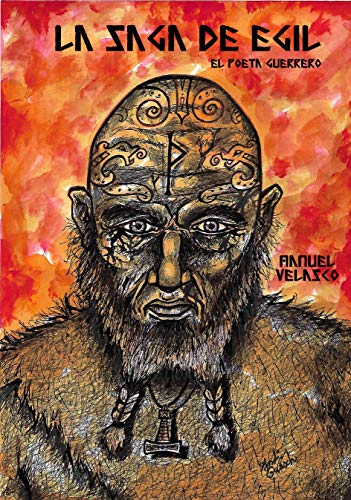
Sonatorrek: el lamento de Egil Skallagrimson

Qué triste es contar, cosa es conocida, 
la muerte de un hijo…

Relieve en bronce con Egil Skallagrímsson llevando a su hijo muerto.
de Anne-Marie Nielsen, en el parque Skallagrímsgarður, Borgarnes. 

Sonatorrek o La pérdida irreparable de los hijos es una poesía incluida en la Saga de Egil Skallagrímsson, compuesta por este poeta guerrero islandés tras la muerte de su hijo Bodvarr, ahogado durante una tormenta. 

Sonatorrek no solo es una obra personal, sino también un testimonio de la habilidad de Egil como poeta, capaz de entrelazar sus sentimientos más íntimos con el arte de la poesía escáldica, utilizando metáforas complejas y una estructura rígida que encarna el dolor que sentía. Su legado ha sobrevivido a través de los siglos, mostrándonos que incluso los guerreros más temidos de la época vikinga también podían ser maestros del lenguaje y la emoción humana.


Fragmento del libro Territorio Vikingo


Egil Skallagrímsson fue el mejor poeta vikingo islandés, pero además viajó por diversos mares, fue mercenario y pirata, se codeó con reyes (a veces, a su pesar) y, en líneas generales, podemos afirmar que su vida es parte de la historia de Islandia, de Noruega y de Inglaterra, y que su nombre figura entre aquellos vikingos que el tiempo y la memoria de los hombres han mantenido en su lugar a través de las sagas.
 Kindle 

jueves, 11 de julio de 2024

Skyr

*archivo actualizado


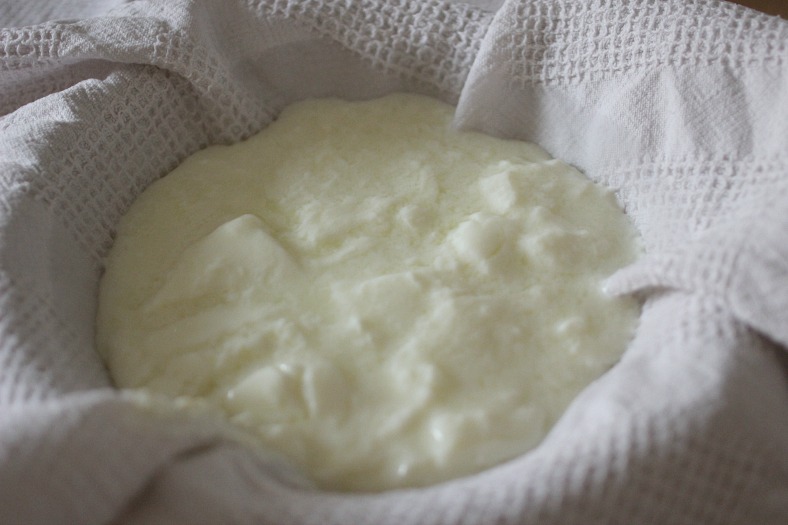
Suele decirse que el Skyr es el yogurt islandés, aunque a decir verdad está más relacionado con la cuajada, ya que se obtiene tras añadir el cuajo a la leche de vaca y filtrar el resultado (tradicionalmente, a través de una tela). La parte líquida recibe el nombre de Mysa, que se toma como refresco, aunque también es usada para cocinar. La parte más sólida, aquella que no ha pasado por el filtro, se llama Skyr, tiene una textura similar a la del yogurt, aunque el sabor es muy distinto, y es muy rico en proteínas y calcio y bajo en grasas.

Ahora, el Skyr es un producto lácteo típico de Islandia, y, como tantas cosas típicas de este país, fue llevado por los colonos vikingos procedentes de Noruega  (y sin duda era un producto popular en el mundo nórdico), aunque en su país de origen se haya perdido la costumbre desde hace siglos.

Se suele tomar de 3 maneras: óhraert (natural), aunque su sabor amargo no lo hace fácil para todos, hraert (con leche) hraeringur (mezclado). Este último es el más popular y las posibles mezclas son infinitas: néctar de agave, vainilla, jengibre, naranja, pomelo, granada o cualquier variedad de frutos del bosque, siendo el arándano la más popular. 


Entre las más entrañables tradiciones islandesas está la de los 13 duendes de navidad (jólasveinar), uno de los cuales es el skyrgármur o sea el que se cuela en las despensas de las granjas el 19 de diciembre para darse un atracón de skyr. 


Si te ha gustado, compártelo con tus amigos

lunes, 14 de diciembre de 2020

Poblado vikingo abandonado, en Islandia


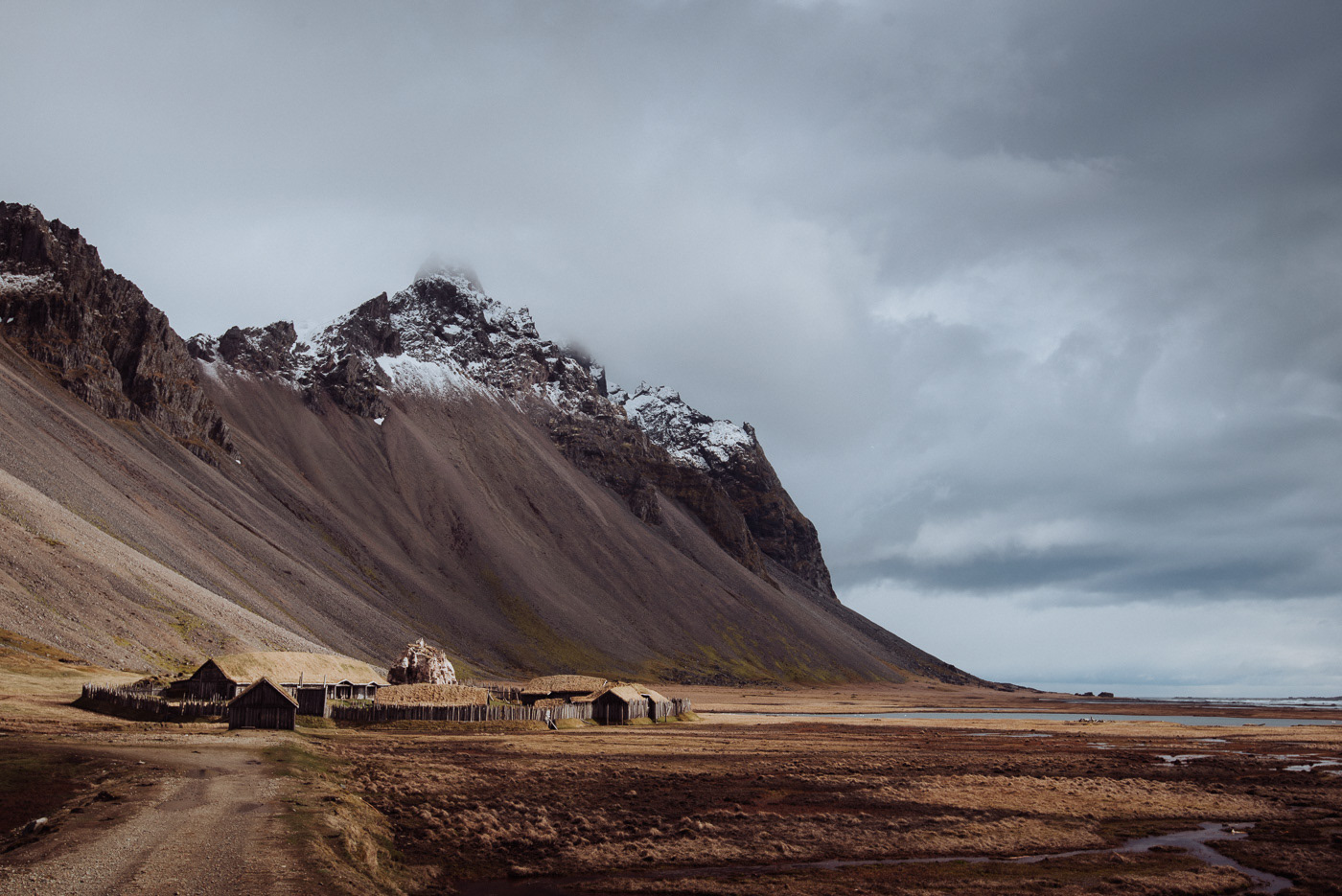
POBLADO VIKINGO ABANDONADO

Se construyó en 2010, a los pies del monte Vestrahorn, en Höfn, al sudeste de Islandia, para una película que nunca llegó a realizarse por problemas económicos. El abandono y las condiciones climáticas extremas le han dado un toque especial, como un poblado fantasma surgido por un túnel del tiempo. 


Mientras espera que algún productor de cine o tv se fije en este inmejorable set de grabación, puede visitarse llegando hasta Höfn, continuando por un camino de gravilla hasta el Viking Café, donde se paga la entrada. 


jueves, 1 de marzo de 2018

Icelandic Saga Map


Basándose en el espíritu de aquellos que, en aquella corriente del nacional-romanticismo escandinavo del siglo XIX, sintieron la llamada del viejo mundo nórdico y emprendieron auténticas peregrinaciones a Islandia para ver con sus propios ojos los lugares relatados en las sagas, Icelandic Saga Map, bajo la dirección de Emily Lethbridge, es una web con mapas interactivos donde puede seleccionarse alguna de las sagas islandesas y después ver en el correspondiente mapa las localizaciones mencionadas en los diversos capítulos de esa saga. 


Ejemplo de la Saga de Njal, donde vemos a la derecha los capítulos con los lugares enlazados a las localizaciones del mapa. 

jueves, 24 de agosto de 2017

Música: Seiðlæti / Iceland


 Seiðlæti / Iceland


Seiðlæti
(Unnur Arndísardóttir & Reynir Katrínarson)

Þagnarþulur 

(Songs for the Icelandic Goddesses)

Poems by Reynir Katrínar 

Music by Uni Arndísar 

Uni - Vocals, drums, percussion
 
Reynir - Vocals, drums, percussion 

Bassi Ólafsson - percussion and vocals
 
Ólafur Þórarinsson - vocals
 
Jón Tryggvi Unnarsson - vocals 

Karlakór Hveragerðis vocals in Frigg, Freyja and Jörð


miércoles, 19 de abril de 2017

Niðafjöll (ISL)


Niðafjöll

Niðafjöll is the solo project of multi-instrumentalist Sigurboði Grétarsson

Symphonic Pagan Black Metal

Iceland


Endir / Niðafjöl


Lyrics icelandic/english

1. Skuld

Hvað er með ásum?
Hvað er með álfum?
Gnýr allr jötunheimr,
æsir ru á þingi,
stynja dvergar
fyr steindurum,
veggbergs vísir;
vituð ér enn, eða hvað?

Surtr ferr sunnan
með sviga lævi,
skínn af sverði
sól valtíva;
grjótbjörg gnata
en gífr rata,
troða halir helveg
en himinn klofnar.

[Text is from Völuspá]

1. Past

How is it with the Æsir?
How with the Alfar?
All Jötunheim resounds;
the Æsir are in council.
The dwarfs groan before their stony doors,
the sages of the rocky walls. Understand ye yet, or what?

Surt from the south
comes with flickering flame;
shines from his sword the Val-gods' sun.
The stony hills are dashed together,
the giantesses totter;
men tread the path of Hel, and heaven is cloven.

2. Forsjá Friggjar

Svífandi í gegnum myrkrið
í fagurhvítum kjól
minni manna er hverfult
en sjón er sögu ríkari

Syngur yfir köldum slóðum
og dvelur yfir fjöllum
lifir í stjörnunum og
vakir yfir heimunum

Í einmannaleika liggur
Enginn sér í gegnum spegilinn

Hverfull er hugurinn
en öll örlögin hún veit
allt sem mun verða

Um stund sér hún þá hvar brotna hamrar
og stjörnur hverfa af himnum
allt mun þá falla fram af brún endans
en aðeins munu tvær standa eftir

Myrkrið mun hylja allt og tíminn mun standa í stað

Bræður munu berjast
og að bönum verðast

að lokum mun allt rísa
allt skal aftur gróið
Heimdallr mun snúa aftur

lífið er ódauðlegt

2. Friggs Foresight

Soaring through the dark
in an elegant white dress
The memories of man are fading
but seeing is believing

Sings over cold trails
and dwells over the mountains
Lives in the stars and
and watches over the worlds

In solitary lies
no one can see through the mirror

The mind is fleeting
but all of fate she knows
everything that will come to be

For a moment she sees where cliffs are breaking
and stars disappear from the sky
everything will fall from the edge of the end
and only two will stand remaining

Darkness will cover everything and time will halt

Brothers shall fight
and fell each other

In the end everything will rise
and everything will heal
Heimdallr will return

Life is immortal

3. Jörmungandr

Ég sá sveima hjá
í djúpinu, úr myrkrinu

Undir báru umlykur allt
Skaðræðis skepna
Hrjóstugur og falinn
og nagar á sér halann
Óttast hann hver sá er á sæinn sækir
Hann liðar umhverfis Miðgarð

Víðsvegar hverfull konungur ævar
Hvarvetna skipsbrot má sjá
Heiftmikill umfangsverður fengur
En aðeins einn er honum um megn
Dregur þig í djúpið bjargarvana
eiturkjaftur verður mönnum að bana

Þaðan sem ólgan á sér upptök
Er Angurboðu afkvæmi að sök
Brotsær lemur svo á knerri
Og brotnar kjölurinn í tvennt

Miskunnarlaus
Sonur hataðra jötna
plága sjávarins
Hlórriði mun þig fella

ég veit hvers vegna þú ert til
Þú varst einungis borin til að drepa.
Eitraður og stór
nú berst þú við Þór
En enginn mun þín sakna
ég mun fagna er þú deyrð


3. Jörmungandr

I saw swimming by
In the deep, from the darkness
Under a wave surrounds everthing
A terrible beast
Scaly and hidden
And gnaws its tail

He is feared by everyone who goes to sea
He slithers around Midgard.
Widely mysterious king of the sea
Everywhere ships wrecks can be seen
Great and furious catch
But only one can be his match
Drags you helpless down into the deep
The venomous maw is the bane of men

From whence the turbulence has its source
Angurboða‘s offspring is to blame
Breaking waves beat ships
And the keel breaks in half

Merciless
Son of hated Jötuns
Plague of the ocean
Þór will kill you
I know why you exist
You were only born to kill
Venomous and large
Now you fight Þór
But no one will miss you
And I will celebrate when you‘re dead

4. Vébönd Rofna

Hvar munt þú hvílast
er veröldin myrkvast?
Tilveran hverfur
og loks þú drukknar

Minningar fljóta
og verða að engu
stjörnur linna skini
og tómið rofnar

Hvað er það sem þú óttast mest af öllu?
hvar munt þú hvílast að loknum ragnarökum?

hart er í heimi,
drunur himna óma
jörð gengur reiðiskjálfi
endalok nálgast

Traustið er rofið
milli bræðra miðgarðs
systurnar níu munu enda
og skiljast að

Ég hef glatað því eina sem mér var kært.
Örlög mín skipta mig engu
Finn ég þig á enda veraldar?
Muntu bíða mín þar?
Eða ertu horfin til frambúðar?
Ég er svo einmanna og týndur án þín.

Gungni sé ég liggjandi í eldi að snarka
Valföður er horfinn í gin úlfsins svarta

Þegar við dóum
þá hélt ég að við fengjum frið
og svefn að eilífu

En ekkert sem okkur var lofað gæti verið fjær þeim raunveruleika sem ég upplifi nú

4. The Bonds Between Men Are Broken

Where will you rest
When the world goes dark?
Existence disappears
And finally you drown

Memories flow
and become nothing
Stars seize to shine
The emptiness rips apart
What is it that you fear most?
Where will you rest when Ragnarök ends?
Hard it is in the world
Roars of the heavens resound
Earth shakes
The end is nigh

The trust is broken
Between brothers of Midgard
The nine sisters will end
And seperate

I have lost the only thing that I hold dear
I do not care for my fate
Will I find you at the end of the world?
Will you wait for me there?
Or are you gone forever?
I am so lonely and lost without you

I see Gungnir burning in a fire
The Alfather is dead in the maw of the black wolf

When we died
I thought we would have peace
And we could sleep forever

Nothing that was promised to us could be further from the reality that I see now

5. Hreingálknin Rísa

Og þá mun blossa úr sprungum jarðar
hraun mun flæða yfir bæi manna

brennandi heift í brjósti
múspellsynir vakna

Er rökkva tekur og skugginn fellur
dansa dísir himins fagurgrænum dansi
en um stund virðist allt kyrrt
og leggst fönn yfir fjallasalinn

Þá rísa jötnar
herverk Surts
sól valtíva

Þá rísa jötnar
herverk Surts
himinn klofnar

Ég finn hvernig jörðin skelfur undir fótum mínum

Fell á kné við háan hvell
úr stóru báli stígur Sinmara

Þá rísa jötnar
herverk Surts
himinn klofnar

en þá sker ljós í gegnum þykkan mökkinn
gjallarhornið ómar og her valkyrja ríður niður til orrustu

sársauki er allt í kringum mig
brotnir skyldir og klofin höfuð
ég geng ráðþrota um vígvöllinn
og get einungis vonað að hún sé óhult

hvar ertu?
hvar finn ég þig?
fæ ég að sjá þig aftur?

5. The Giants Emerge

And then the cracks of the earth flare up
Lava will flow over villages of men
Burning fury in their chests
Sons of Múspelheim rise

At dusk the shadows fall
Sprites dance in the sky a picturesque green dance
But for a moment everything seems calm
And snow falls over the mountains

Then the giants rise
Soldiers of Surt
Sword shining like the sun

Then the giants rise
Soldiers of Surt
Heaven is cloven

I can feel the earth shaking under my feet

Fall to my knee because of a loud bang
From a big fire steps Sinmara

Then the giants rise
Soldiers of Surt
Heaven is cloven

But then light cuts through the thick clouds
The Gjallarhorn resounds and an army of Valkyries rides down to battle

Pain is all around me
Broken shields and split heads
I walk bewildered in the battlefield
And can only hope she is okay

Where are you?
Where can I find you?
Will I ever see you again?

6. Svart Tár

Myrkur og harmur
er allt sem hann sér
Einmana reikar
og leitar af þér

Svart tár fellur
og verður að snjó
Gleipnir er slitinn
og af himni horfin sól

Dauðingjar anga
horfin er óð
hildartíð hafin
af miklum heitfarmóð

Þá rís upp þoka
eilífðar fár
Naglfar hans Loka
það boðar vá

Yggdrasil brennur
og falla heimarnir
blóð allra rennur
og allt verður hljótt

Hvað mun verða þá,
af veröld sem stóð þar,
og allt sem áður var?
reikandi sál
bundin við mig
og hún elskar mig

6. Black Tear

Darkness and mourning
is all that he sees
Alone he wanders
And searches for you
Black tear falls
and becomes snow
Gleipnir is broken
and the sun is gone from the sky

The dead howl
their souls are gone
War has begun
with great fury

a fog rises
of eternal war
Loki‘s Naglfar
Bodes terror
Yggdrasil burns
The worlds collapse
Everyones blood flows
And silence falls

What will happen then
to the world that stood there
and everything that ever was?
Wandering soul
Bound to me
And she loves me

7. Verðandi

[Instrumental]

8. Túndra

Ísköld jörð
hrím og vindur
Grár himinn
Svartur tindur

Hér býr þó einn
sem enginn ásækir
með grímu úr snjó
og líf Upprætir

Dauðinn mun nálgast
Í frosthörku tekur
mikil er angist
kal í hjartað skekur

Sól þér sortnar
fyrir augum þínum
sál þín losnar
með kvöl

8. Tundra

Frozen ground
Snow and wind
Gray sky
Black peak
Though here lives one
That no one visits
With a mask of snow
and uproots life

Death will come
In a blizzard he takes
The pain is great
Frost in your heart

The sun blackens
Before your eyes
Your soul is set free
painfully

9. Andvari

Vindurinn flytur fjöll
en hugurinn flytur allt sem eftir er

með þröngri sýn er heimurinn fagur og allt með feldu er
en sjáðu á bak við luktar dyr að ljósið hverfandi fer

Allt sem fagurt er visnar að innan

vilji minn og hugarangur eru
að draga úr mér mátt til að halda áfram

ég er einn og yfirgefinn í þessum heimi
óður minn er brostinn og nístir af sársauka

9. Breeze

The wind can move mountains
But the mind can move everything else

With narrow vision the world is beautiful and everything is as it should be
But look behind locked doors to see that the light is fading

Everything that is beautiful whithers inside

My will and misery are keeping me from continuing my journey

I am alone and abandoned in this world
My soul is broken and aches with pain


10. Sól Tér Sortnar

[Instrumental]

11. Troða Halir Helveg


Gjöll flæðir yfir bakka sína
á gylltu brúnni snertir hönd mína

Hel hér kem ég
Ég vil þig sjá
Blóðið er kalið í mér
en samt finn ég til

heimurinn að ofan brennur
og allt með ösku fennir

Hel hér kem ég
Ég vil þig sjá
taktu um hjartað mitt
og myndaðu klaka

komdu til mín
fylgdu mér í myrkrið
Lokaðu augunum
og gleymdu öllu

Allt sem ég vil
Allt sem ég þrái
Er að fá að hverfa
og hugsa aldrei meir

Ég sakna þín
Ég vil sá þig aftur

11. The Trail Of The Dead

Gjöll flows over her banks
On the golden bridge you touch my hand

Hel here I come
I want to see you
My blood is cold
Yet I still feel pain

The world above is burning
and ash rains over all

Hel here I come
I want to see you
Take my heart
and freeze it

All that I want
All that I desire
Is to no more
and to never think again

I miss you
I want to see you again

12. Endalok

[Instrumental]

darklyrics.com

jueves, 12 de enero de 2017

Hrafnagaldur (ISL)


Hrafnagaldur

Viking folk from Iceland

Anna Margrét Björnsdóttir, Birita Í Dali, Sigurboði Grétarsson, Elaine Ní Cuana.

Members of the viking reenactment group "Rimmugygur".


Videoplaylist: Fórn O∂ins / Sinklars Visa / Helvegen / Dimmalaetting


Interview. Darren Foreman at Radio Iceland

lunes, 2 de enero de 2017

Einar Selvik at The Nordic House


Einar Selvik (Wardruna)
The Nordic House, Reykjavik
24.09.2016

Video playlist
Ragnar Lodbrok death song
Sowelu
Ár var alda
Horns
Völuspá
Helvegen


domingo, 4 de octubre de 2015

Sagas islandesas / Saga of the icelanders


Varias sagas islandesas en un solo volumen digital (en inglés)
Some icelanders sagas in one digital book


--

viernes, 27 de marzo de 2015

Glima (Islandia)

La Glima es el estilo nacional islandés de lucha tradicional.

Ciertas evidencias de la glima datan del siglo XII, pero algunas descripciones de lucha en las sagas islandesas y en la Edda prosaica hacen razonable creer que el sistema es mucho anterior. La base del sistema son las ocho principales bragd (técnicas), que forman el entrenamiento básico para, aproximadamente, 50 formas de ejecutar una proyección o un derribo.

Hay cuatro puntos que lo distinguen de otras formas de lucha:

  • Los luchadores deben permanecer siempre erguidos.
  • Los luchadores caminarán en sentido de las agujas del reloj alrededor del contrario (parece similar a un vals). Esto es para crear oportunidades para el ataque y la defensa, y prevenir la pasividad.
  • No se permite caer sobre tu oponente o empujarlo hacia abajo con fuerza bruta, pues no se considera deportivo.
  • Se supone que los luchadores deben mirar por encima de los hombros del contrario cuanto sea posible porque se considera apropiado luchar al tacto y sentir mejor que ver.
  • La Glima permanece, como siempre ha sido, como un deporte de caballeros y una recreación amistosa.
  • Alrededor de la glima existe un código de honor llamado Drängskap que llama al juego limpio, al respecto y al cuidado de la seguridad de los compañeros de entrenamiento.
extracto de la Wikipedia


Lars Magnar Enoksen

Vídeo del islandés Ólafur Arnalds en el que aparece el actor/luchador Hafthor Bjornsson (la Montaña, en Juego de Tronos) en un combate de glima.


sábado, 24 de enero de 2015

Þorrablót islandés


Hace mucho que el antiguo calendario islandés no es de uso oficial, aunque para algunas fiestas importantes aun se tiene en cuenta. Tenía 12 meses divididos en dos parte: Invierno o Skammdegi (Días cortos) y Verano o Náttleysi (Días sin noche). No tienen un número similar de días, ya que, por ejemplo, el mes de Thorrir siempre debe comenzar en viernes, por lo que el primer día estará entre el 9 y el 15 de enero, del mismo modo que el mes de Goa se inicia siempre en domingo, por lo tanto fluctuará entre el 8 y el 14 de febrero, o el mes de Þorri, que comienza el viernes de la treceava semana de invierno

El Primer Día de Verano (en islandés: sumardagurinn fyrsti) es una fiesta que tiene lugar en Islandia el primer jueves después del 18 de abril de cada año y que celebra la llegada del verano porque durante estos días el sol comienza a remontarse claramente sobre el horizonte tras las largas noches invernales de las regiones boreales. En los tiempos vikingos se celebraba el Sigurblót o el blót del Primer Día de Verano.

El Þorrablót actual se celebra el viernes de la decimotercera semana del invierno, o sea entre el 19 y el 25 de enero. 

Para celebrarla se prepara un festín a la antigua: cordero o grasa de ballena conservados en suero de leche agria, testículos de carnero y tiburón fermentado, carne hervida conservada en un ácido lácteo durante tres o cuatro meses, cabeza de cordero y paté de cabeza de cordero. Además de estos platos tradicionales y ocasionales encontramos hangikjöt (cordero ahumado), puré de nabo, flatbrauð (pan de centeno) o pescado seco. Todo ello acompañado, por supuesto, de Brennivin, un fuerte aguardiente islandés también llamado "muerte negra". 

En el cuadro siguiente, la m. representa ese impreciso "a mediados de".
  • Skammdegi (Días cortos)
  1. Gormánuður: m. octubre - m. noviembre (mes de la matanza o de "Gór)
  2. Ýlir: m. noviembre - m. diciembre (Yule)
  3. Mörsugur: m. diciembre - m. enero (el engorde)
  4. Þorri: m. enero - m. febrero (la nieve)
  5. Góa: m. febrero - m. marzo (Góa)
  6. Einmánuður: m. marzo - m. abril (el solitario)
  • Náttleysi (Días sin noche)
  1. Harpa: m. abril - m. mayo (Harpa)
  2. Skerpla: m. mayo - m. junio (Skerpia)
  3. Sólmánuður: m. junio - m. julio (Sol)
  4. Heyannir: m. julio - m. agosto (recogida del heno)
  5. Tvímánuður: m. agosto - m. septiembre (el segundo mes)
  6. Haustmánuður: m. septiembre - m. octubre (otoño)


miércoles, 10 de septiembre de 2014

Vesturland, Iceland, Sagaland


West Iceland, the Sagaland


© Skarphéðinn Þráinsson


Vesturland / West Iceland: The Sagaland

In West Iceland history becomes vivid with every step, whether on account of the Sagas, folklore or just tales of men and the matters of men, the scenes of these stories are everywhere. Most of the Icelandic Sagas were written in West Iceland, such as Egils Saga, Sturlunga, Laxdaela and Eyrbyggja, hence the name West Iceland - The Sagaland.

En el oeste de Islandia la historia se vuelve viva con cada paso, ya sea a causa de las Sagas, el folclore o simplemente los cuentos y los asuntos de los hombres, las escenas de estas historias están en todas partes. La mayoría de las Sagas islandesas fueron escritas en el oeste de Islandia, tales como Egils Saga, Sturlunga, Laxdæla y Eyrbyggja, de ahí el sobrenombre de Vesturland - La Tierra de las Sagas.


    In recent years, more stress has been put on developing the Saga heritage of the área.
      
    Reykholt in Borgarfjordur is one of the most important historical sites of the country, not least on account of the cultural objects connected to the residence of Snorri Sturluson during 1206-1241. Very important old relics dating from Snorri‘s time have been found, such as a hot-spring bath, tunnel, farm ruins and steam and hot-water aqueducts. Snorrastofa in Reykholt is a culture and medieval centre founded in memory of Snorri Sturluson. The institution is meant to carry out and promote research, and the introduction of medieval studies and the history of Reykholt and Borgarfjörður in particular. Snorrastofa is responsible for organising courses, conferences and meetings, as well as exhibitions linked to these subject matters. Snorrastofa charges entry fees to exhibitions, runs a souvenir shop and provides various services to tourists. 

    The Icelandic Settlement Centre in Borgarnes reveals Egils Saga and the Settlement Saga in an entertaining and simple way by leading the visitor through a kind of labyrinth into the adventure world of the sagas by way of audio guides in nine different languages besides Icelandic, and a special audio channel for children. A complete circuit of each exhibition takes about 30 minutes. The exhibition describes one of the most colourful of all the saga characters, Egill the son of Skalla-Grimur Egil‘s father Skalla-Grimur Kveldulfsson was one of the first settlers in Iceland, arriving a decade later than the first settler Ingolfur Arnarson. The saga of Egill provides the best and most accurate description of how one family went about settling in Iceland. Egill was a great poet but also a viking and ribald abroad. The story intertwines battles and love affairs, sorcery and pagan lore. The Settlement exhibition portrays the first men who set foot in Iceland and how the country was settled up until the Althingi parliament was founded in the year 930. It shows how Nordic men were able to find their way over the open sea, why they left their homeland and what lay in wait for the first settlers. By using the modern technology of multi-media and theatre an attempt is made to give the visitor a sense of how it must have been to set foot in unsettled territory. 
      
    Eiriksstadir in Haukadalur is a living museum and a conjectural reconstruction of old ruins. According to old Icelandic tales Eirik the Red lived at Eiriksstadir in Haukadalur where he married Thjodhildur, Eirik the Red founded the first settlement in Greenland, having been outlawed from Iceland, and his son, Leif the Lucky who was born in Eiriksstadir, became the first European to explore the New World, the land now known as America. History comes to life at Eiriksstadir where guides dressed in Viking Age costume provide visitors with information about its history and show old crafts and objects. The museum has good facilities, such as rest rooms and disabled access to the ruins. 

    Eyrbyggja – Storytelling Centre in Grundarfjordur has taken part in various projects connected to the art of storytelling. Courses in storytelling have mainly focused on reprocessing folk tales and restoring the storytelling tradition.